
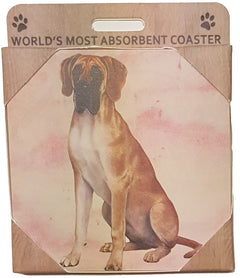
E&S Imports Ceramic Pet Coasters - Great Dane
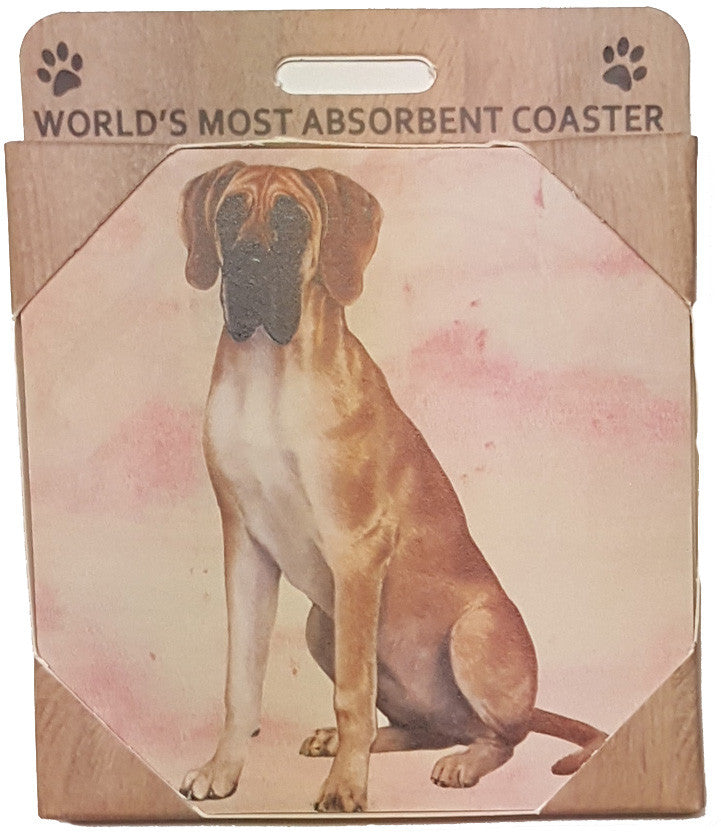

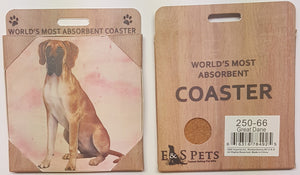
E&S Imports Ceramic Pet Coasters - Great Dane
In stock
E&S Imports Ceramic Pet Coaster — Great Dane
The E&S Imports Ceramic Pet Coaster featuring the Great Dane is a highly functional tabletop accessory designed to handle heavy moisture while showcasing detailed breed artwork. These coasters are sold individually or as matching sets to bring pet-centric decor into any room.
- Dimensions: 4 inches by 4 inches (square)
- Core material: Super-absorbent porous ceramic stone that instantly draws in condensation, sweat, and minor spills from cold drinks
- Backing material: Thick, protective natural cork layer that anchors the coaster securely to smooth surfaces, preventing slips and protecting wood or glass furniture from scratches
Design variety: Part of a comprehensive 88-style lineage produced by E&S Pets, covering distinct variations, including uncropped ears for accurate breed representation. Background colors may change from time to time without notice.
Save when you buy more: Order more than one and save!
Breed profile — Great Dane
The Great Dane — called Deutsche Dogge in Germany — is one of the tallest dog breeds in the world, with males typically standing at least 30 inches at the shoulder and often reaching 32 inches or more. Despite its English-sounding name, the breed was developed in Germany, descended from boar-hunting dogs of the German aristocracy and refined over centuries into the majestic, graceful companion recognized today. Great Danes are elegant and regal in appearance, presenting a long rectangular head, deep chest, and sleek, short coat in colors including fawn, brindle, blue, black, harlequin, and mantle. Their temperament is famously gentle, friendly, and affectionate — they are often described as "gentle giants" — and they are generally patient with children and sociable with other animals when properly introduced. They require moderate daily exercise appropriate to their enormous frame, and their large size means that even at their most easygoing, they demand significant space, thoughtful feeding, and vigilant health monitoring. Their average lifespan of seven to ten years is shorter than many breeds, making early health screening and responsible breeding a priority.